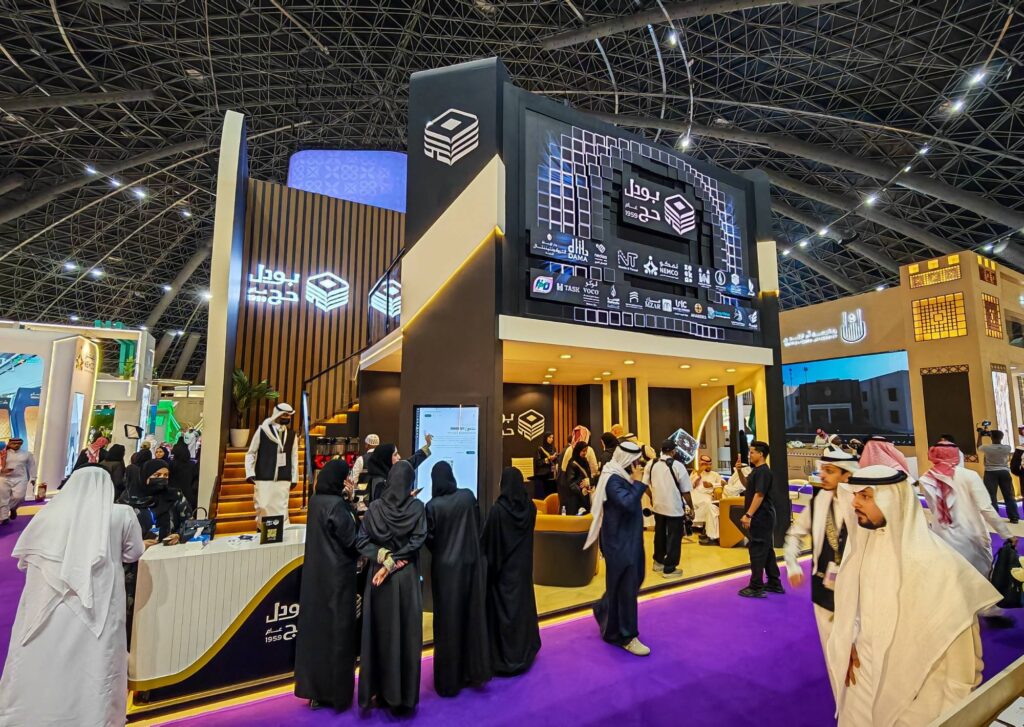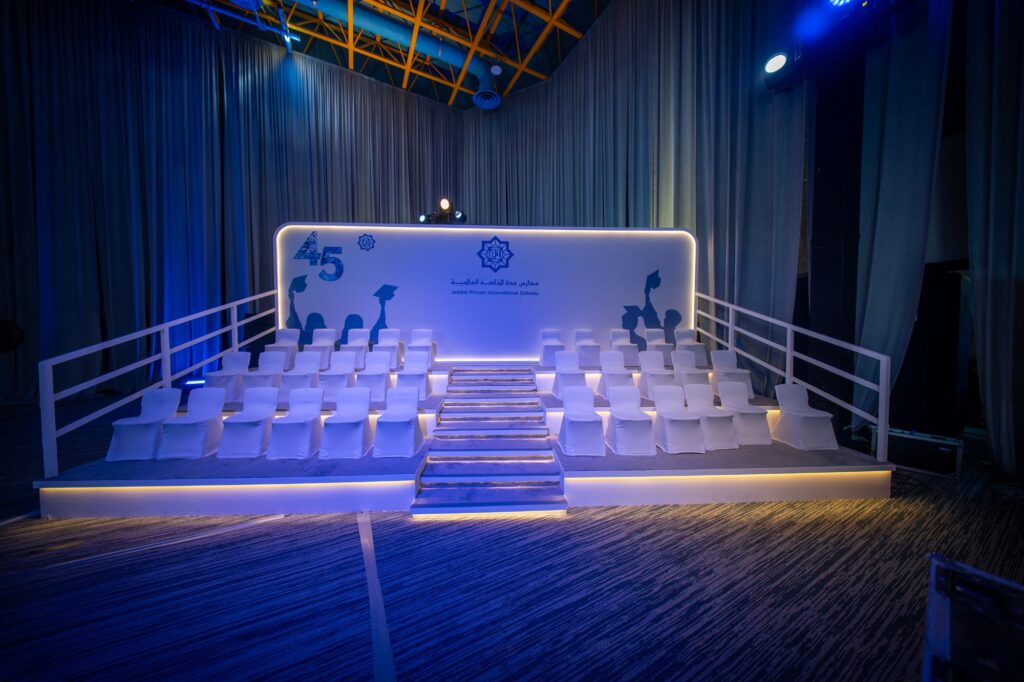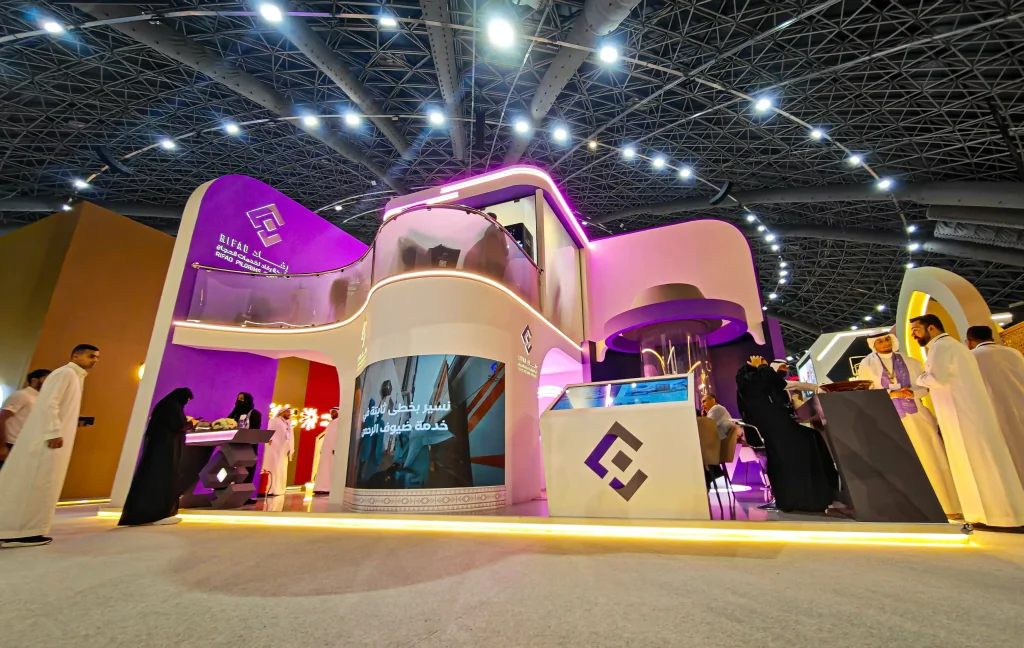

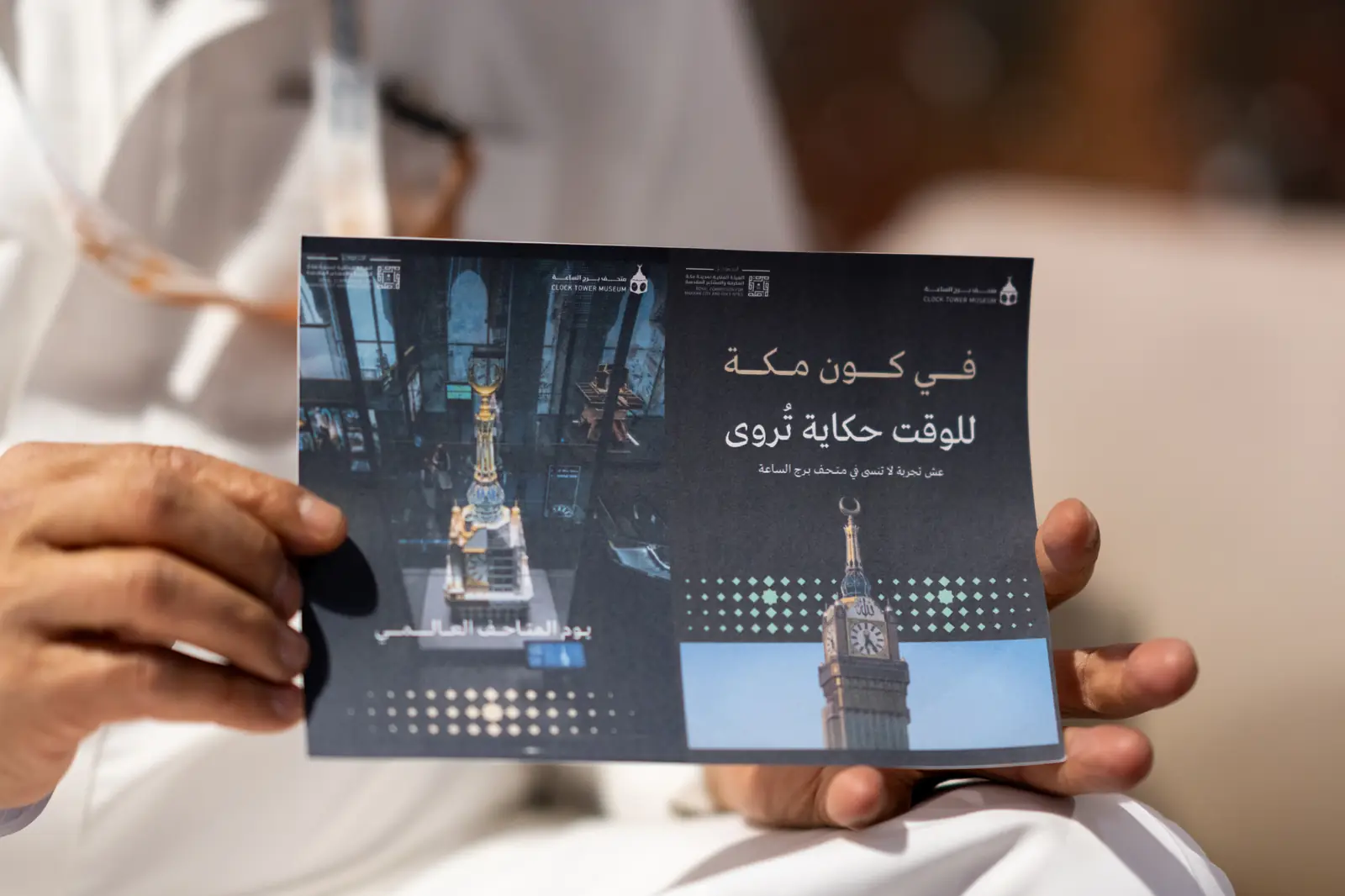
Cultural event activation requires a different approach from a conventional event because the experience is created inside a place that already has its own identity and character. For International Museum Day at the Clock Tower Museum in Makkah, Deep Vision activated the occasion through an instant-photo experience, celebration banners and boards, and branded printed materials designed to enrich the visitor journey without competing with the museum itself.

A real cultural activation in Makkah: Deep Vision delivered key activation elements for International Museum Day at the Clock Tower Museum, including the instant-photo corner, celebration banners and boards, and branded printed materials.
Turning International Museum Day Into a Visitor Experience
A successful museum occasion is not simply about adding a logo or banner to the space. The objective is to create an interactive cultural experience that makes the visit feel different while respecting the museum's identity and character.
That is why museum event activation can combine several connected elements: an interactive touchpoint, an occasion-specific visual identity, printed materials that communicate the message, and details that give visitors something to remember after their visit.
Why Cultural Event Activation Is Different
Many events begin with an empty space. Museums, landmarks and heritage environments are different because the venue already has its own identity, atmosphere and meaning.
Successful cultural event design should therefore avoid visually overpowering the place. Instead, it should add a temporary layer of experience that supports the occasion while allowing the cultural venue to remain central.
The cultural venue remains the hero of the experience. The role of activation is not to redesign it, but to introduce temporary interactive and visual elements that respect its identity and give visitors another reason to remember the occasion.
5 Principles for Memorable Cultural Event Activation
01Respect the Spirit of the Place
Museums and cultural landmarks have their own character. Every element of cultural event activation should therefore consider the venue's identity, visual language, materials and overall context.
02Invite Visitors to Participate
A photo experience or interactive element turns the visitor from an observer into a participant. At International Museum Day in Makkah, the instant-photo corner was one of the activation elements connecting visitors with the occasion.
03Create an Occasion-Specific Visual Identity
Banners, boards and printed materials can connect the different touchpoints of the experience and make it clear that visitors are attending a special occasion rather than an ordinary museum day.
04Design Around the Visitor Journey
Activation elements should appear at meaningful points in the guest journey without creating visual clutter or interfering with the visitor's primary experience of the cultural venue.
05Create an Impact Beyond the Day
A photograph or printed piece that the visitor takes away can extend the memory beyond the visit, giving cultural occasion activation value that continues after the event itself has ended.
Visual Identity for International Museum Day in Makkah
As part of the activation at the Clock Tower Museum in Makkah, Deep Vision executed celebration banners and boards connected to the message of International Museum Day.
These elements were not intended to replace the museum's identity. They were occasion-specific additions designed to help visitors recognize the event and connect their experience with the international day being celebrated.
Printed Materials as Part of the Cultural Event Experience
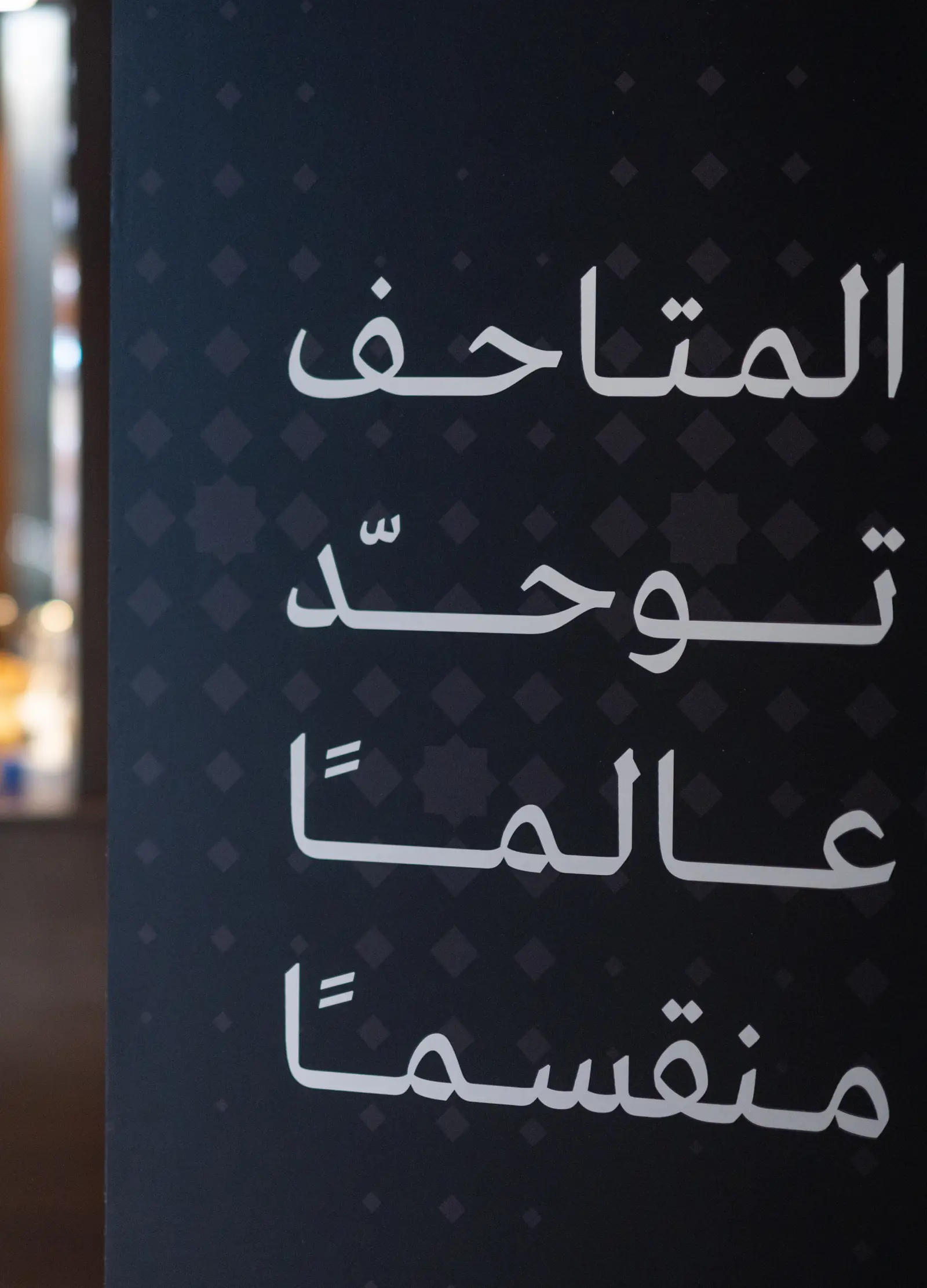
For museum events, printed materials can become an extension of the visitor experience, particularly when they carry the occasion's visual identity and provide an informative or memorable element.
At the Clock Tower Museum project, branded printed materials were part of Deep Vision's activation scope alongside the instant-photo experience and celebration banners.
Common Cultural Event Activation Mistakes
- Creating an activation that visually competes with the museum or cultural venue.
- Using visual elements without providing a meaningful visitor interaction.
- Introducing elements that do not connect with the occasion's message.
- Ignoring the visitor journey when positioning activation touchpoints.
- Producing separate elements without a consistent visual identity.
- Failing to create a memorable takeaway that extends beyond the occasion.
Why Deep Vision for Cultural Event Activation?
Since 2018, Deep Vision has worked across event design and production in Saudi Arabia, with more than 178 completed projects across different sectors.
Our direct cultural-sector experience includes the International Museum Day activation at the Clock Tower Museum in Makkah, where we delivered the instant-photo corner, celebration banners and boards, and branded printed materials.
Our goal in cultural projects is to create interactive and visual elements that enrich the visitor experience while respecting the identity and character of the cultural venue.
Planning a Cultural Event or Activation?
Tell us about your occasion and venue, and let Deep Vision develop an interactive and visual experience that respects the space and gives visitors something worth remembering.
Start Your Project →Frequently Asked Questions About Cultural Event Activation
What makes a cultural event activation successful?
A successful activation respects the identity of the venue while adding an appropriate experience through interactive elements, visual identity, clear messaging and details that enrich the visitor journey.
Has Deep Vision delivered museum events in Makkah?
Yes. Deep Vision delivered the International Museum Day activation at the Clock Tower Museum in Makkah, including an instant-photo corner, celebration banners and boards, and branded printed materials.
What elements can be produced for cultural events?
Depending on the project, elements can include interactive installations, photo experiences, occasion-specific visual identity, banners, boards, printed materials and other visitor touchpoints.
When should planning for a cultural occasion begin?
Planning should ideally begin several weeks in advance to allow enough time for concept development, design, production, printed materials and coordination with the venue.
Do you design and produce interactive elements and printed materials?
Yes. Depending on the project scope, Deep Vision can develop the concept and design and produce interactive elements, visual materials and printed collateral.
Follow Deep Vision and get in touch
Have an event or exhibition in mind? Reach us on any channel below.